
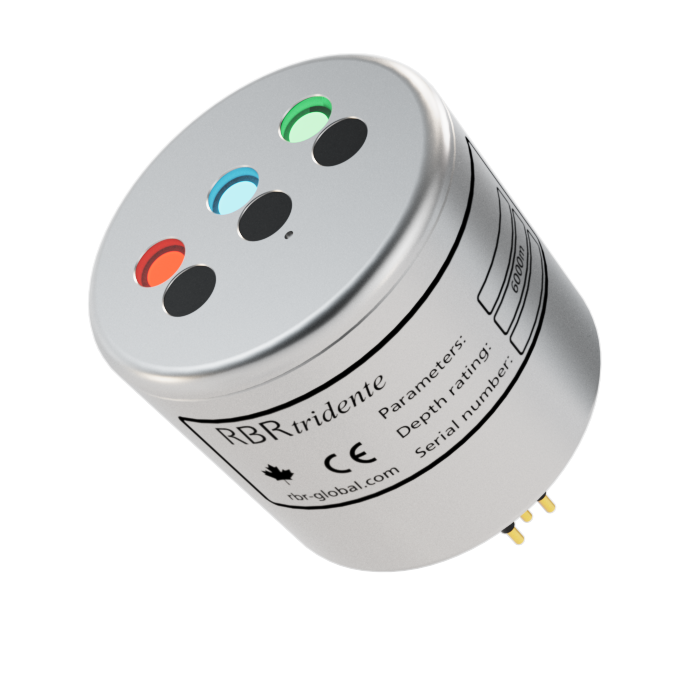
Low power consumption
RBRtridente
Three-channel fluorescence and backscatter sensor
The RBRtridente is an optical sensor with three channels, capable of making multiple fluorescence and backscatter measurements simultaneously. Its high dynamic range permits exposure to full sunlight with very low detection limits, while power consumption and depth rating have been tailored for use in a wide variety of applications.
The size makes the RBRtridente compatible with existing vehicle payload bays. Tolerant of a wide ranging power supply, data are streamed via RS-232 on the MCBH-6-MP connector. Synchronous detection and automatic gain control make it tolerant of full sunlight exposure while still permitting high resolution measurements of very small signals.
A dry-bay OEM variant of the RBRtridente is available for vehicle integration applications.
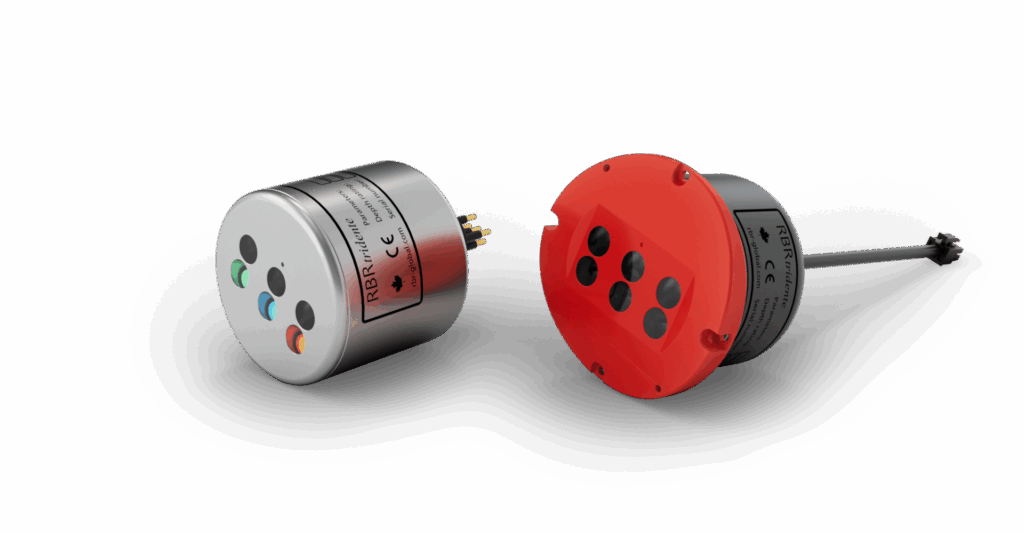
RBRtridente wet- and dry-bay versions
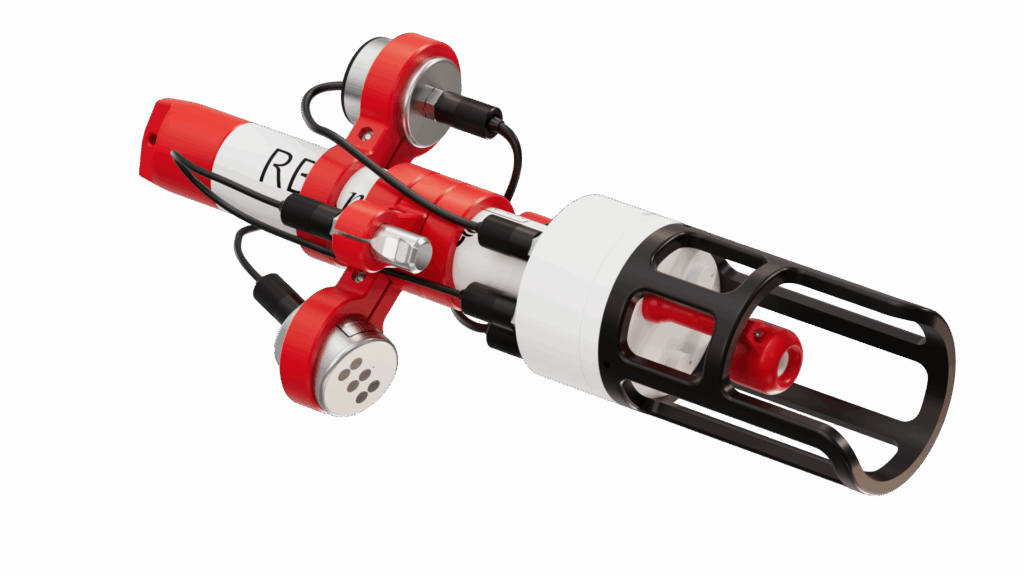
RBRtridente integrated into RBRmaestro³ C.T.D
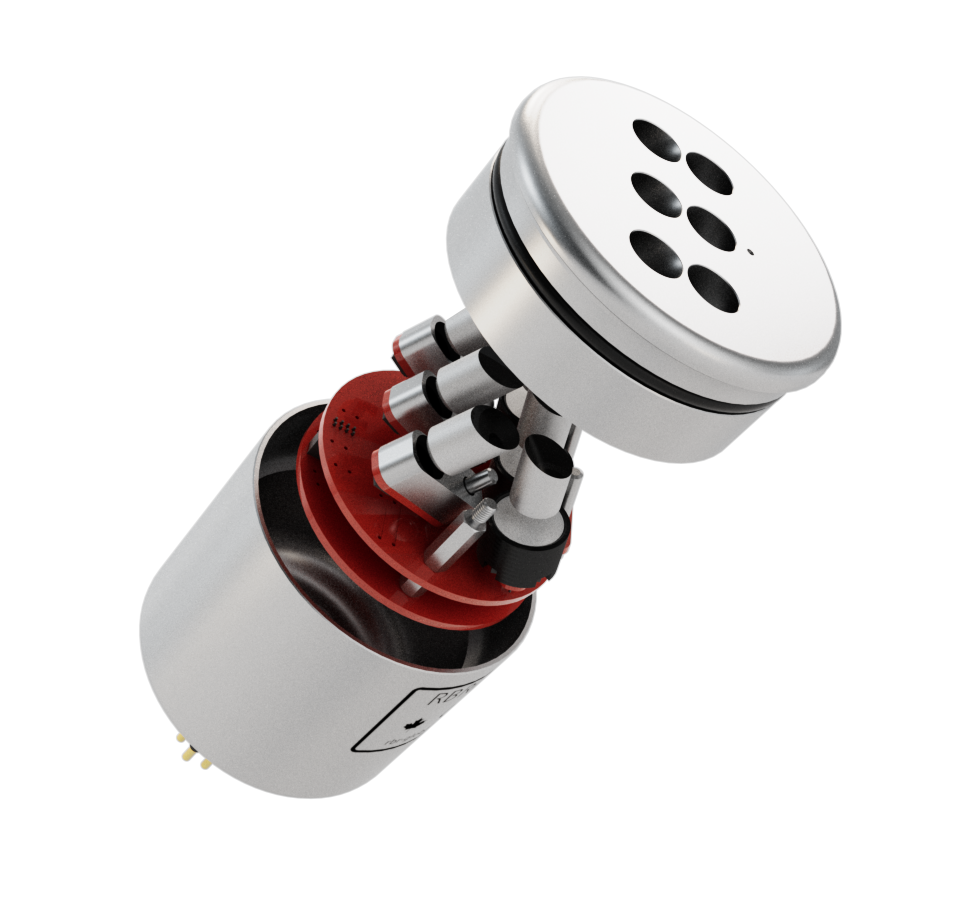
Advanced electronics to maximise performance
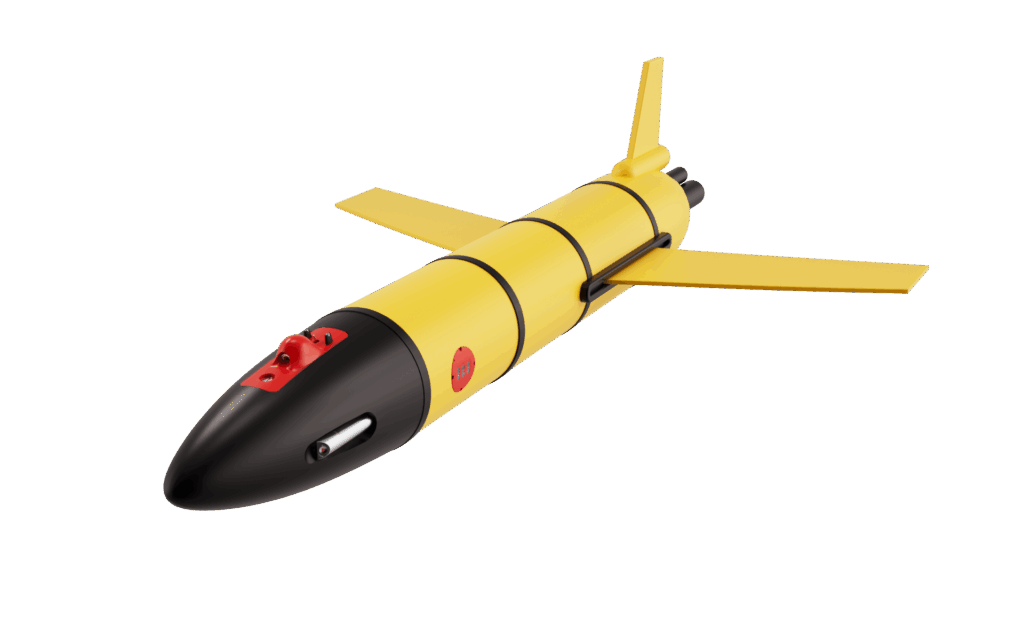
Easily integrates directly into your AUV or via the RBRlegato CTD (shown with the RBRcoda T.ODO)
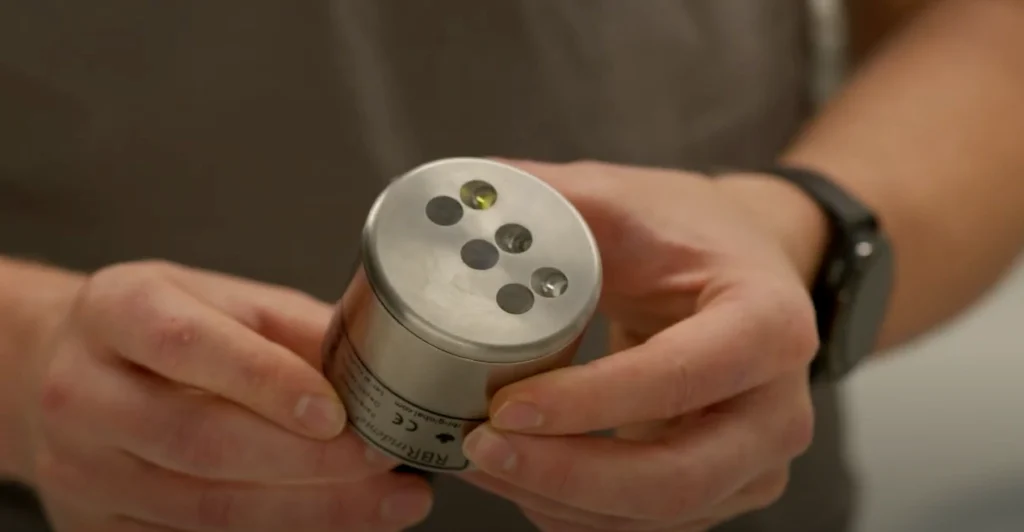
Product Highlight
Watch a short video introduction to the RBRtridente with RBR sensor manager Jon Taylor.
Measure chlorophyll a, fDOM, and backscatter or turbidity within the same sensor package using the RBRtridente three-channel fluorescence and backscatter sensor. With improved dynamic range and exceptional endurance under a wider variety of light conditions, the RBRtridente is easily integrated into RBR CTDs or your favourite vehicle platform.
Features & Configurations
The RBRtridente is available with any three of the following channels:
- Chlorophyll a
- fDOM
- Phycocyanin
- Phycoerythrin
- Rhodamine
- Fluorescein
- Backscatter
- Turbidity
A dry bay OEM variant of the RBRtridente is available for vehicle integration applications.
Specifications
| Connector | MCBH-6-MP |
|---|---|
| Depth rating | 6000m, 1250m (dry-bay) |
| Housing | Titanium |
| Diameter | 63.3mm |
| Length | 57mm, 93mm with connector56mm with cap (dry-bay) |
| Weight | 460g in air, 275g in water250g in air, 50g in water (dry-bay) |
| Temperature range | -5°C to +35°C |
| Sampling rate | Up to 32Hz |
| Supply voltage | 4.5V to 30V (12V nominal) |
|---|---|
| Power |
20mJ/sample (4Hz or slower) 32mA(384mW) (8Hz or faster) |
| Sleep current | 10µA |
| RS-232 polled or autonomous streaming |
|---|
| Centroid angle | 120° |
|---|---|
| Sensing volume | ~1.3mL |
| Linearity, R² | 0.99 |
| Calibration accuracy | 5% |
| Channel wavelength (excitation/emission) | 470nm/695nm or 435nm/695nm |
|---|---|
| Calibrated rangeFootnote 1 | 0-50μg/L |
| Detection limitFootnote 1 | 0.01μg/L |
1 Scaled for the in vivo fluorescence response.
| Channel wavelength (excitation/emission) | 365nm/450nm |
|---|---|
| Calibrated range | 0-500ppb |
| Detection limit | 0.03ppb |
2 fDOM can be used as a proxy for cDOM.
| Channel wavelength (excitation/emission) | 590nm/654nm |
|---|---|
| Calibrated range | 0-500μg/L |
| Detection limit | 0.200μg/L |
| Channel wavelength (excitation/emission) | 525nm/600nm |
|---|---|
| Calibrated range | 0-6000μg/L |
| Detection limit | 2μg/L |
| Channel wavelength (excitation/emission) | 550nm/600nm |
|---|---|
| Calibrated range | 0-1000μg/L |
| Detection limit | 0.015μg/L |
| Channel wavelength (excitation/emission) | 470nm/550nm |
|---|---|
| Calibrated range | 0-500μg/L |
| Detection limit | 0.010μg/L |
| Channel wavelength | 470nm, 525nm, 650nm, or 700nm |
|---|---|
| Calibrated rangeFootnote 3 | 0-0.05m⁻¹sr⁻¹ |
| Detection limit | 1×10⁻⁶m⁻¹sr⁻¹ |
| Channel wavelength | 650nm, 700nm |
|---|---|
| Calibrated rangeFootnote 3 | 0-500FTU |
| Detection limit | 0.001FTU |
3 Response becomes non-linear above the calibrated range
We partner with passionate oceanography and water quality experts worldwide to ensure you receive excellent local customer service, sales, and support.